
What is Curiosity?
Mysteries Explorer Path

Just how a Lens changes how we see the world.
Curiosity does the same thing for the mind.
But..
WHAT IS CURIOSITY?
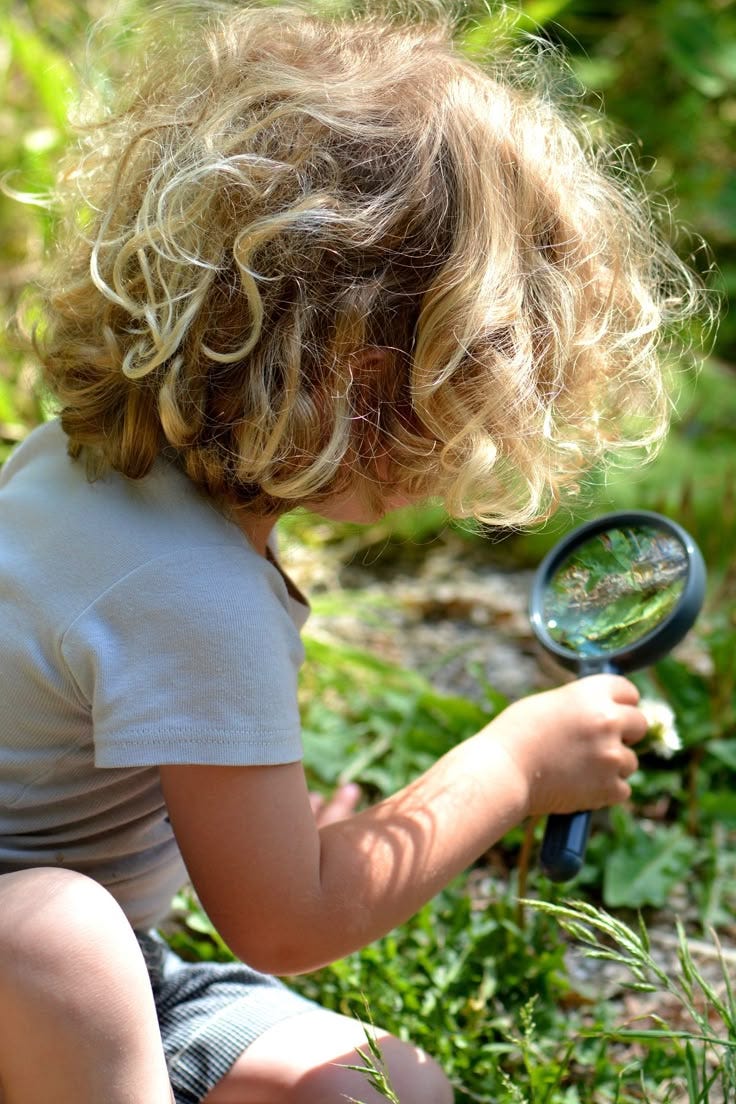
Curiosity is one of the first virtues a human learns on their own. It teaches us to question, learn, and explore this new universe we’re witnessing after birth.
A child asks about a hundred questions a day.
Why is the sky blue?
Why do birds fly?
Where is the moon?
Why does the sun follow us in the car?
Even when the child doesn’t speak, they’re learning subconsciously. That’s how we grow to understand this world. Our parents and environment provide the necessary tools to adapt to it.

But something changes as we grow older. The intensity of the questions decreases, and curiosity sort of fades into “It’s a silly question” ....
We go to school from a very young age. Learning the alphabet and basic knowledge is important. Education helps us understand the world better. In Kindergarten and early grades, students are expressive. They ask silly questions and explore their curiosity freely.
But as they advance to higher classes, those questions slowly disappear.
Our priorities change. We become more interested in gossip about classmates than in understanding why a phenomenon works the way it does.
Digital media plays a huge role in this. Our attention span is HEAVILY shaped by a quick burst of content on social media. Long focus now feels boring. If only we knew how to control it.
.
That’s why in a class of first graders, you may see half the students ready with questions, while in a college seminar, only four or five speak up.
But WHY?
If we started right, where did we pivot? At what point did it start going downhill?
If you were asked right now to ask a question, would you be able to come up with something interesting? Would it be a genuinely interesting question? Maybe a question you once had during class but never asked.
Or just a safe one — something that makes it feel like you contributed, like you’re not dumb?
It’s not random. We are shaped by pride. By self-image. It sometimes takes precedence over allowing ourselves to learn by exposing ourselves to criticism. However, the percentage has not dropped to zero. Not yet. There are still students so curiously invested that they take it upon themselves to feed their intrigue via the same digital media or professors who would normally just leave the class after their planned lecture.
But have we ever paused during the day and paid attention to the patterns we follow automatically? Why do we start scrolling the moment we feel bored? Why do we binge-watch shows or play games whenever we have free time?
However, those who do pay attention to their daily routine might end up actually controlling how their day goes. They will observe something meaningful from a character in the show they are watching, while others might just binge-watch the whole season in one night, just for the “fun” of it. It’s all about curiosity and observation applied in the right place.
No matter how you look at it, Curiosity never really dies but is buried deep within our subconscious mind under the societal standards, so to speak. To unlock it, you must first start observing. It’s the key to discovering a pattern, a bad habit, and a good habit. It is the key to breaking bad loops, and in whichever age you are, Observation is the first step to unlocking that young version’s curiosity. Who knows? Maybe this time it will be upgraded by absorbing all the moments you experienced over all those years...
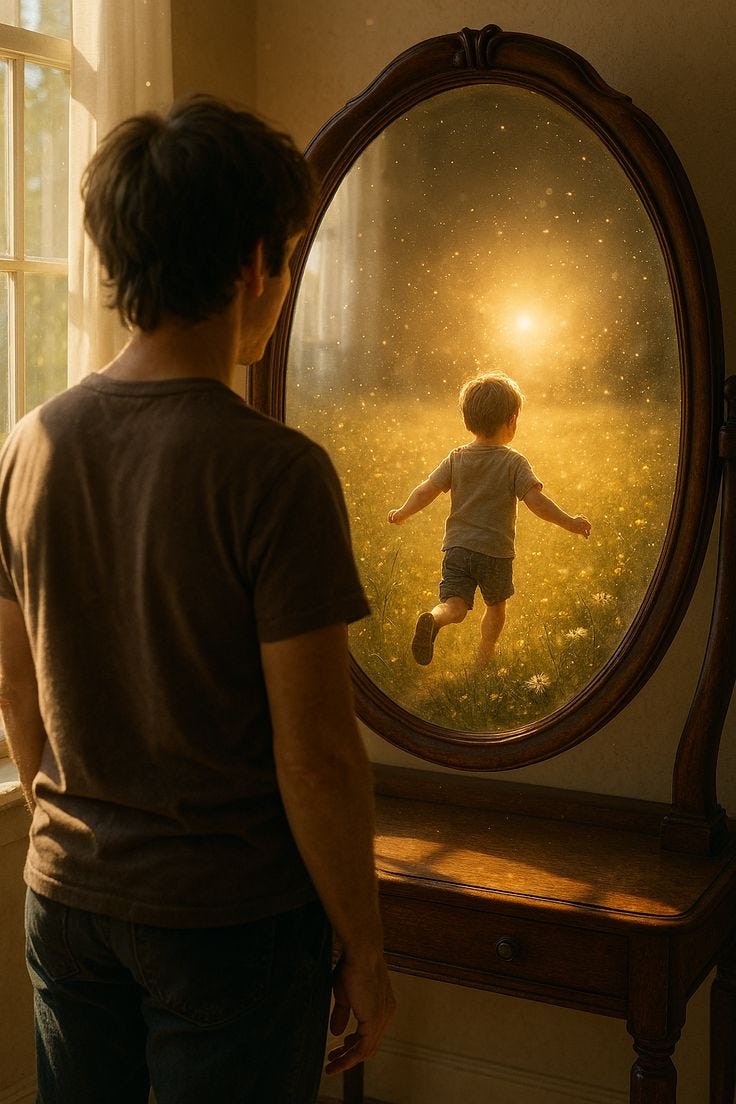
In this edition of Mysteries Explorer Path, we discussed whether curiosity is inherited by birth or developed over one’s life. How, if you wanted to, you could take control of your life like you never thought was possible.
A perfect routine is not bought or inherited. It’s implemented by work considered boring in the most literal sense. But can we do it too? Wouldn’t it be nice if we could..?
We can. But it’s a hard process. One that requires us to dive deep into one of the most overlooked self-taught habits — Attention Span.
In the next edition, we will discuss how attention span is made. Can we control it? If yes, then how?
Did you learn something new? What would you like to learn next? What question has curiosity made you ask recently?
Stay tuned for next week.
Mysteries Explorer Path
Curiosity Lens